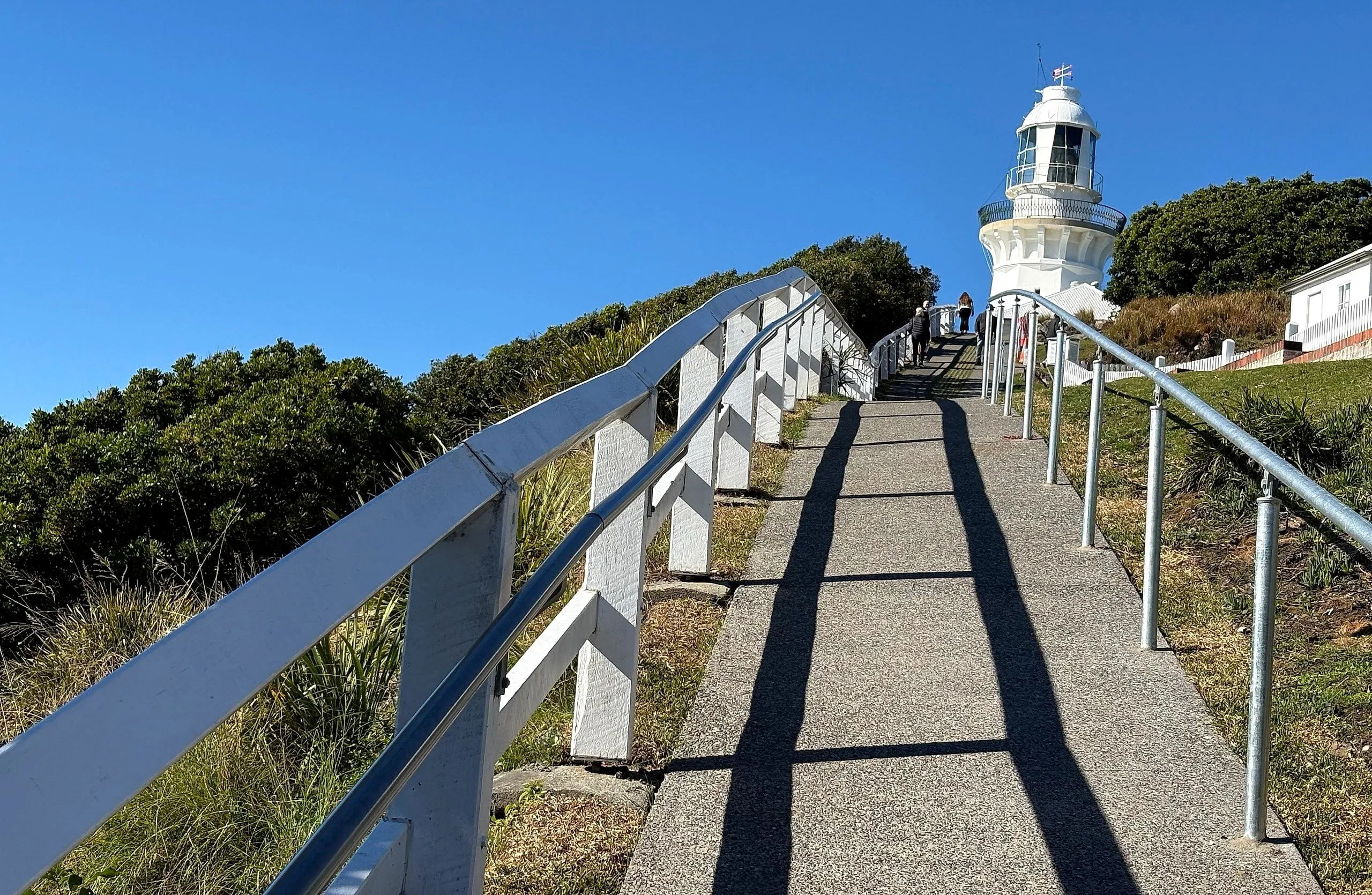
Captain Cook named Smoky Cape from the deck of the Endeavour on 13 May 1770, for the smoke rising from the fires of the Dunghutti people, whose country this is and whose fires had burned along these headlands for thousands of years. The lighthouse came in 1891, and not much about the scene has changed since: a white tower on one of the highest headlands on the NSW coast, empty national park beaches running away on both sides, and kangaroos keeping the lawns down. It is fifteen minutes’ drive from South West Rocks, and on a clear winter morning it is as good as this coast gets. Here it is in pictures.
The walk up
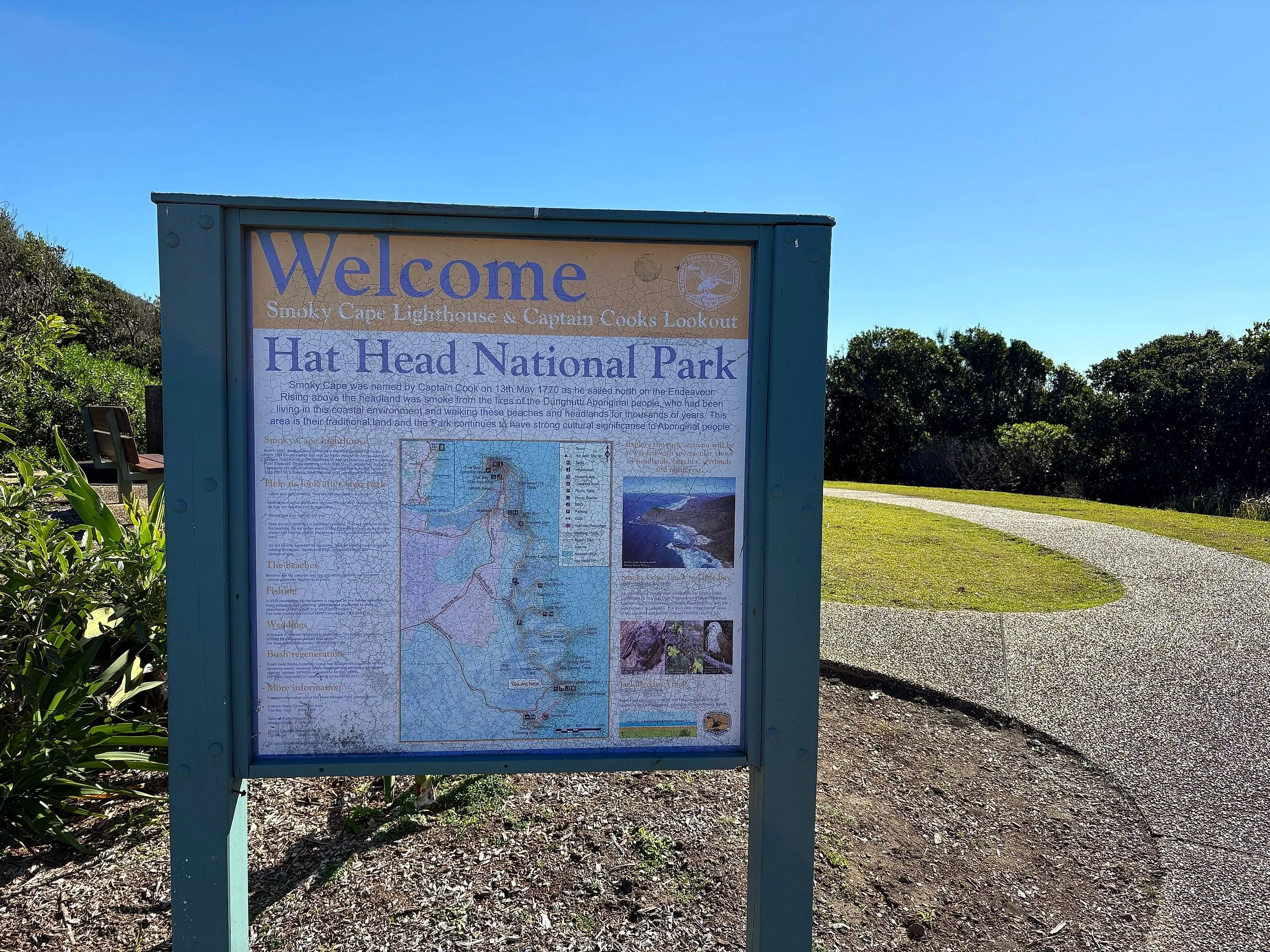
The welcome sign at the car park tells the story: Cook, the smoke, and Dunghutti country.
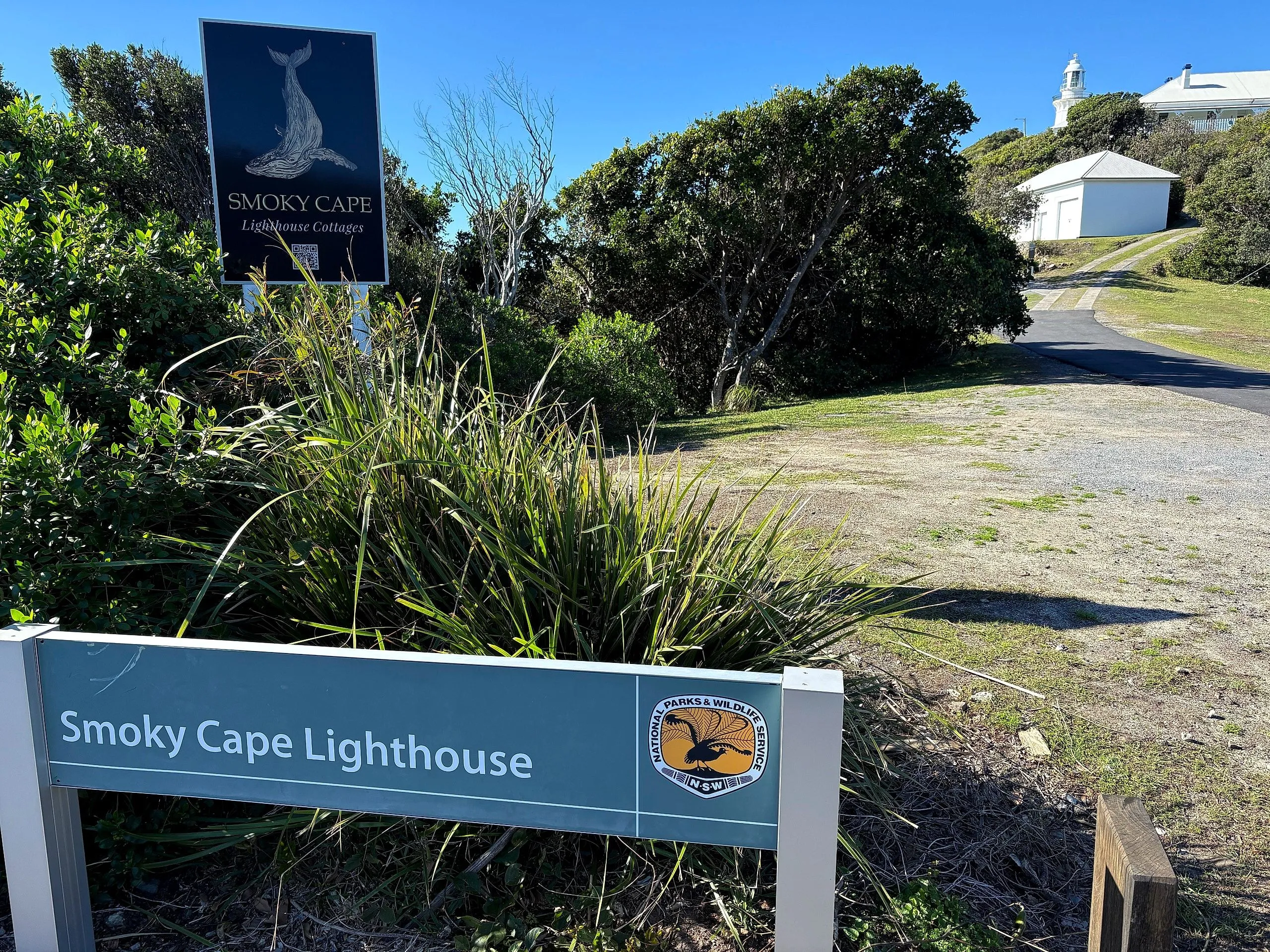
From the gate the tower plays hide and seek above the banksias.
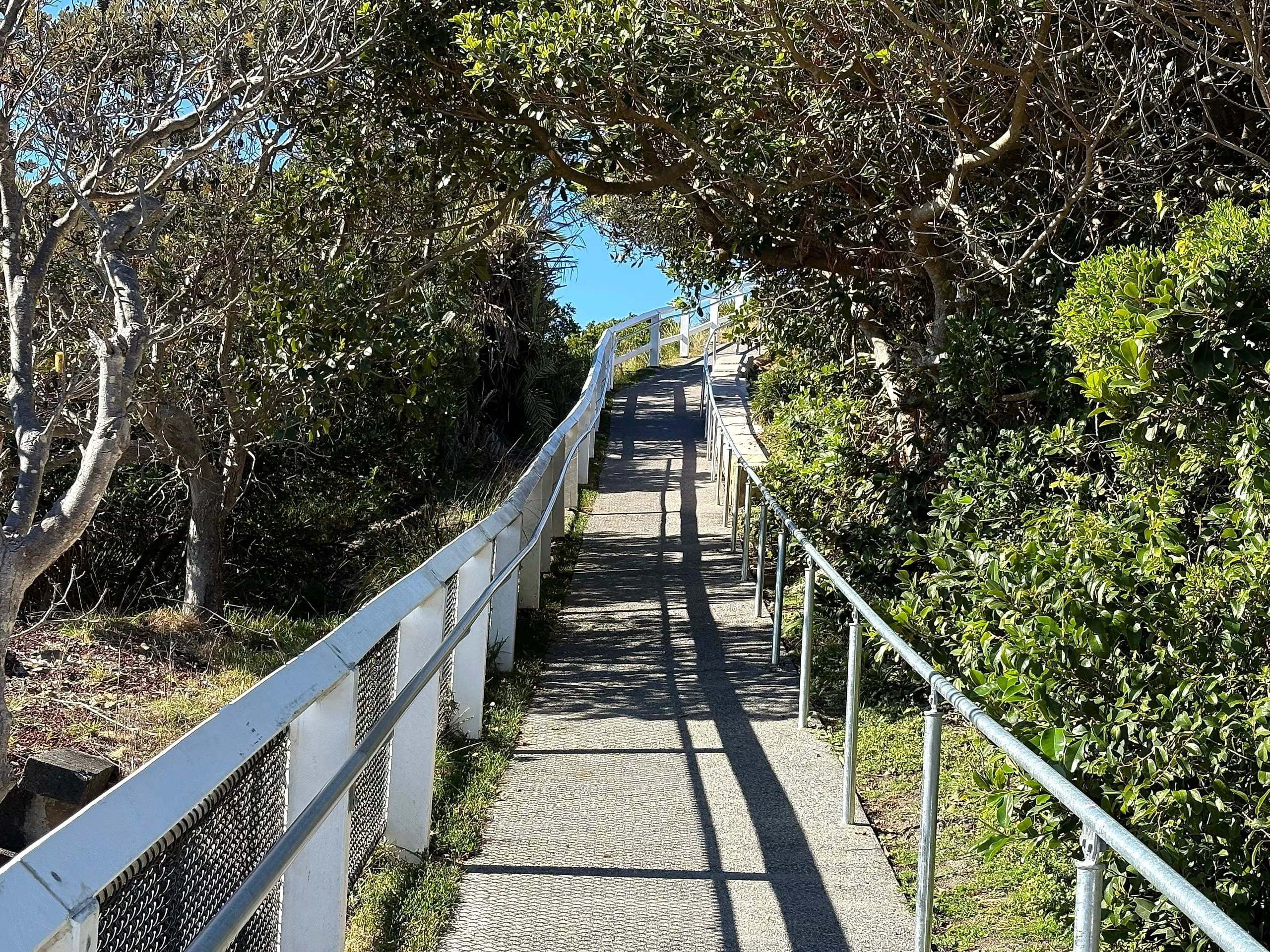
The path climbs through a tunnel of wind-pruned coastal scrub. It is short, steep and worth it.
At the tower
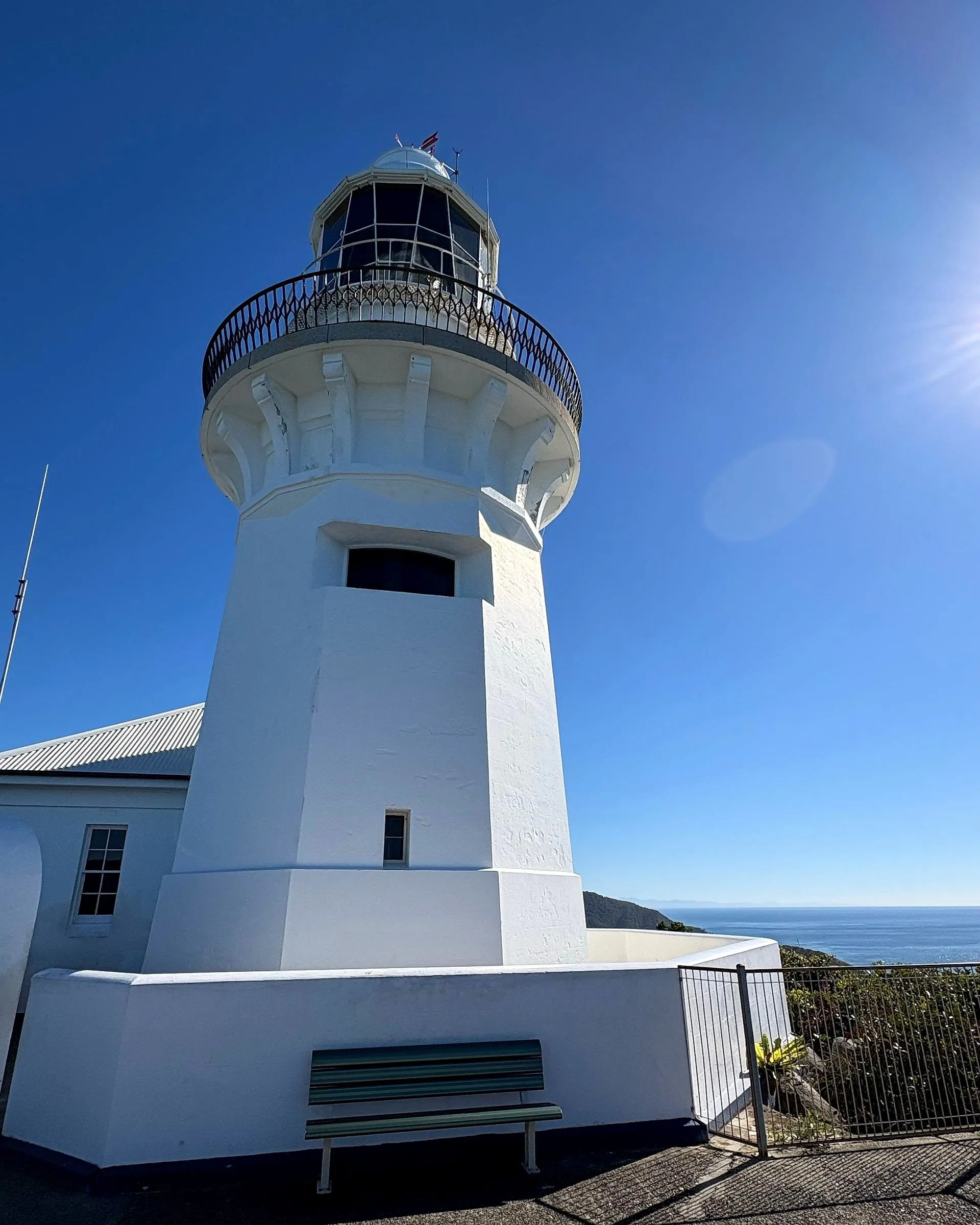
The 1891 tower, whitewashed and octagonal, still working every night.
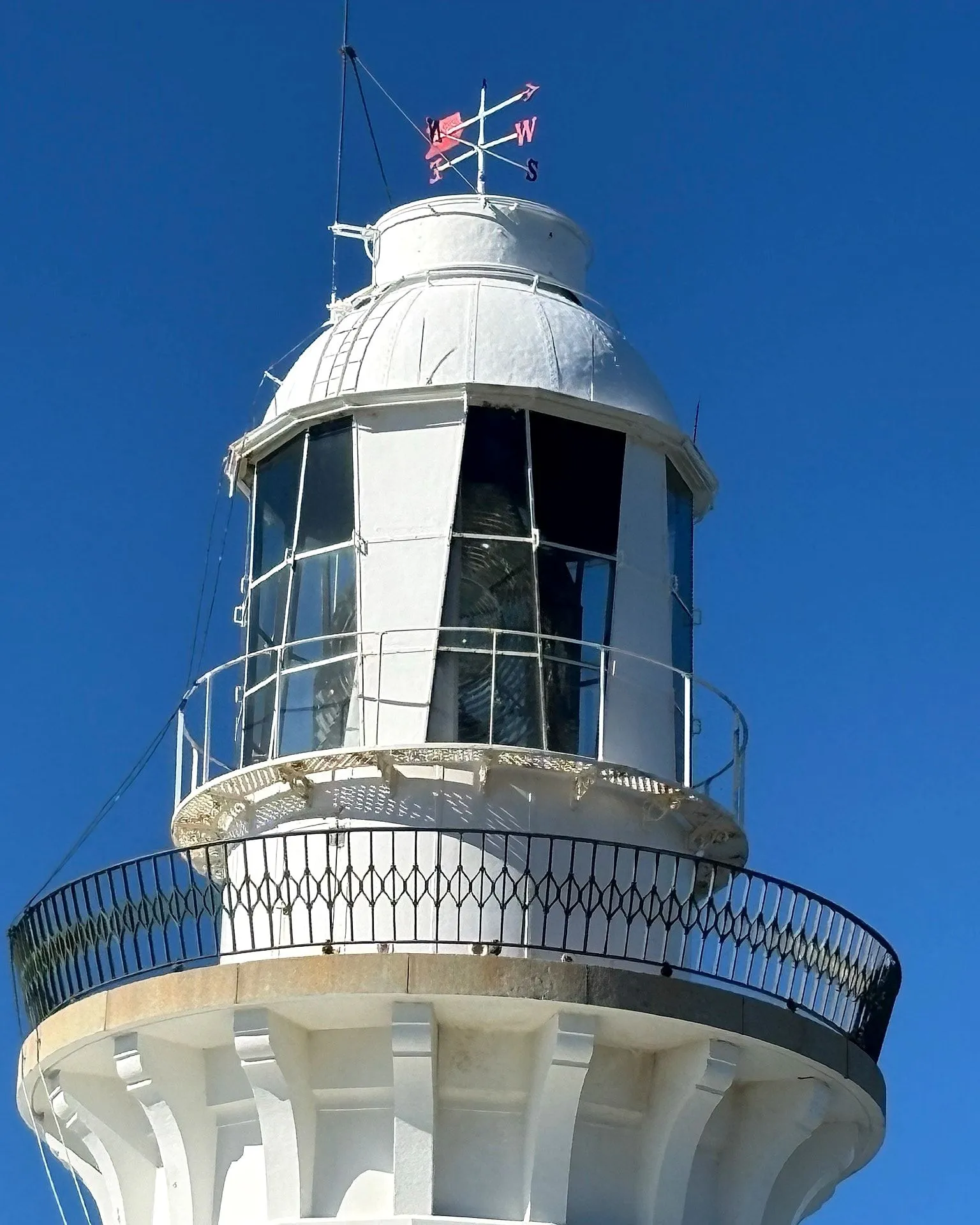
Look up: the lantern room still holds its huge original lens, with the weathervane spinning above.
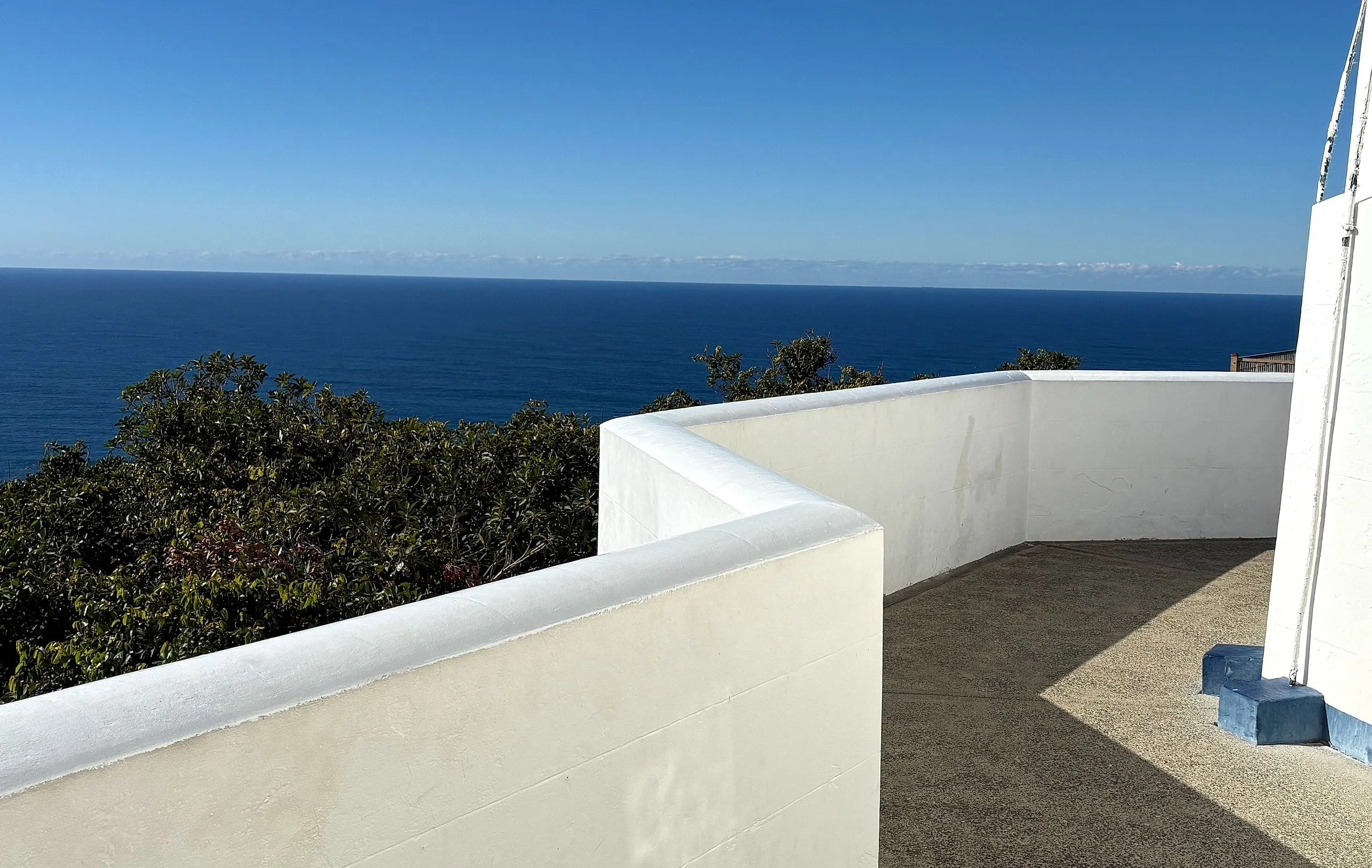
The parapet and the Pacific. On a still morning the horizon feels close enough to touch.
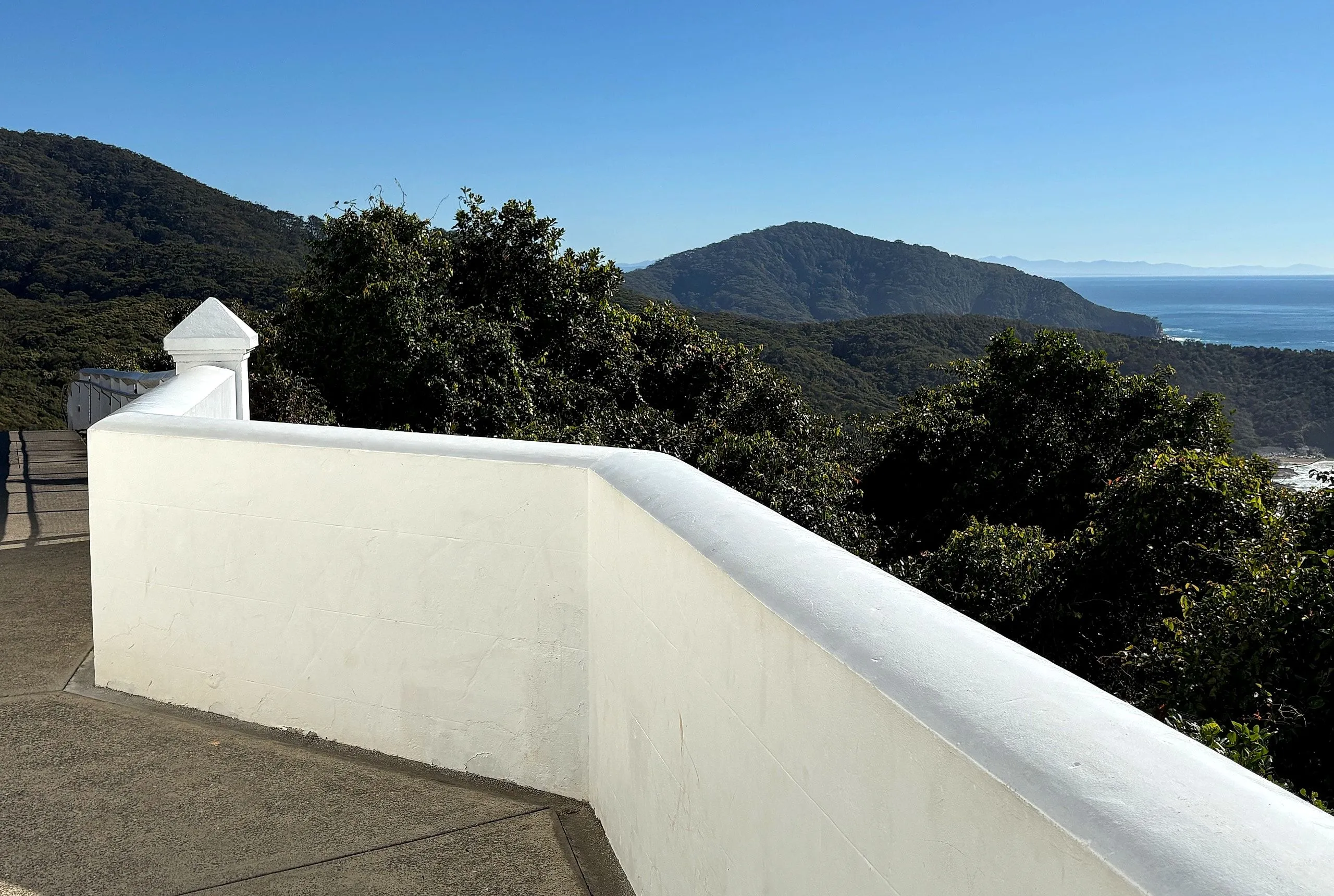
Behind the tower, Hat Head National Park rolls inland in folds of forest.
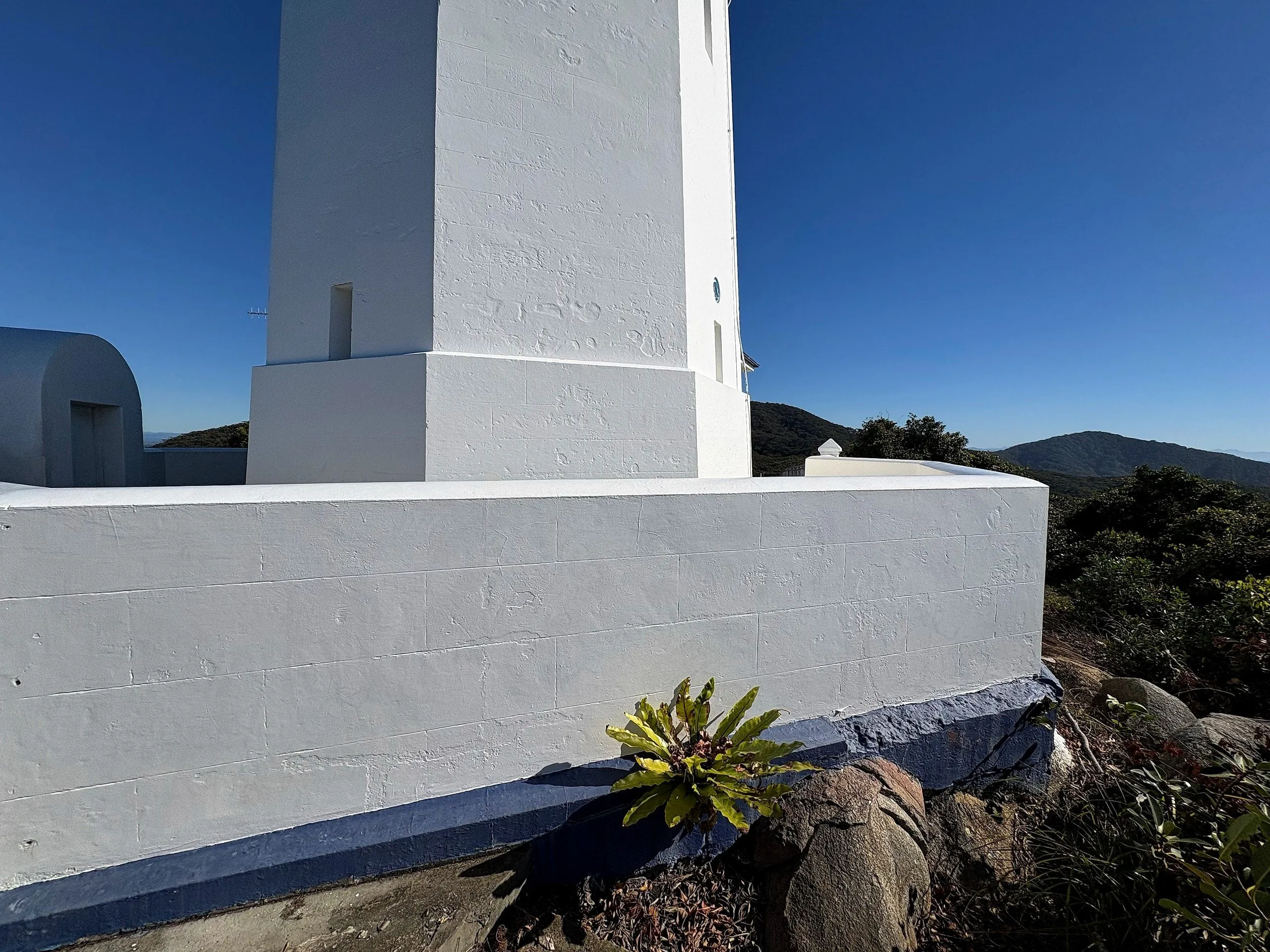
White render, a navy plinth and granite boulders: the whole colour scheme of the place.
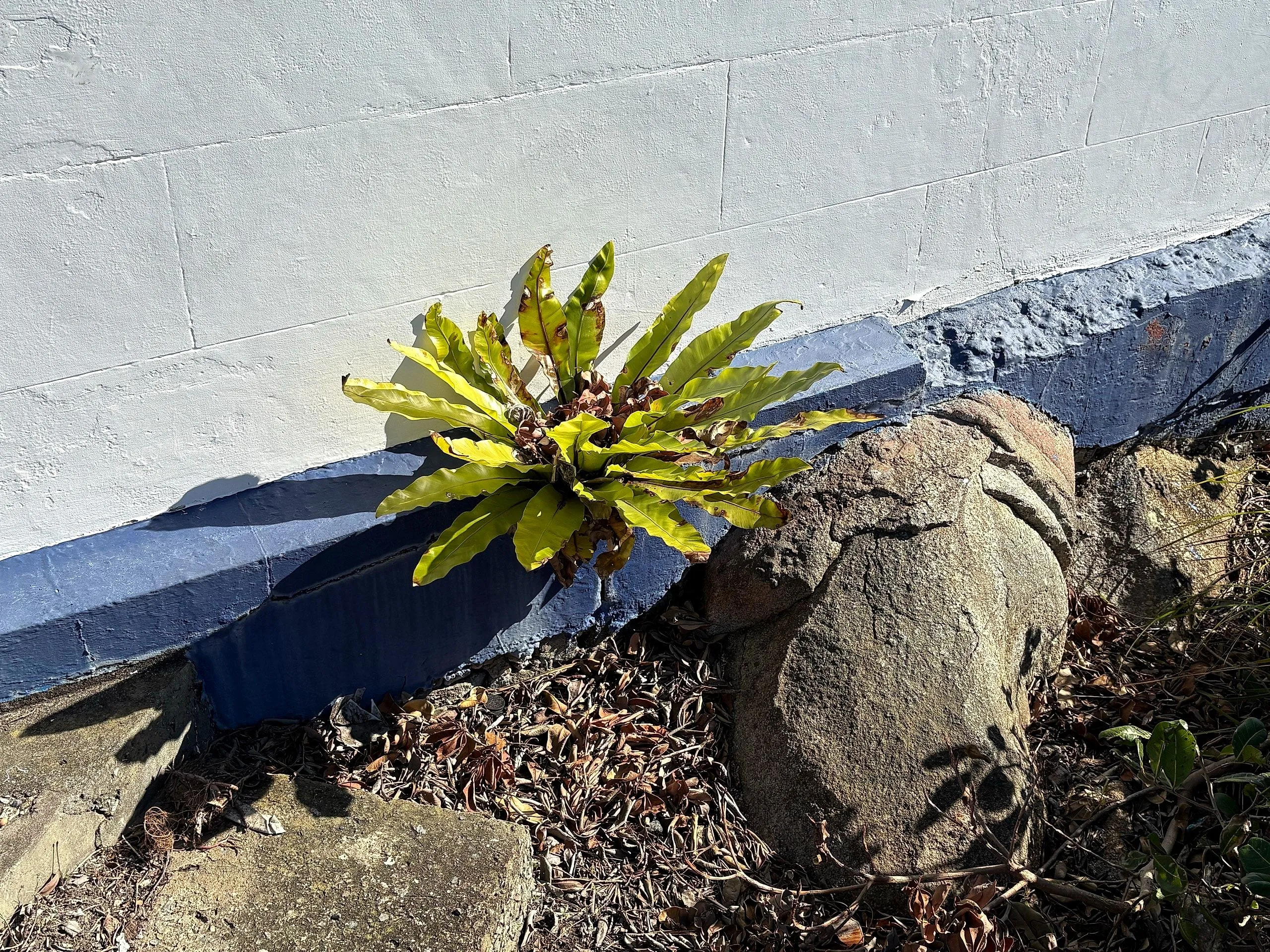
A bird’s nest fern has claimed a spot against the warm wall.
The keepers’ quarters
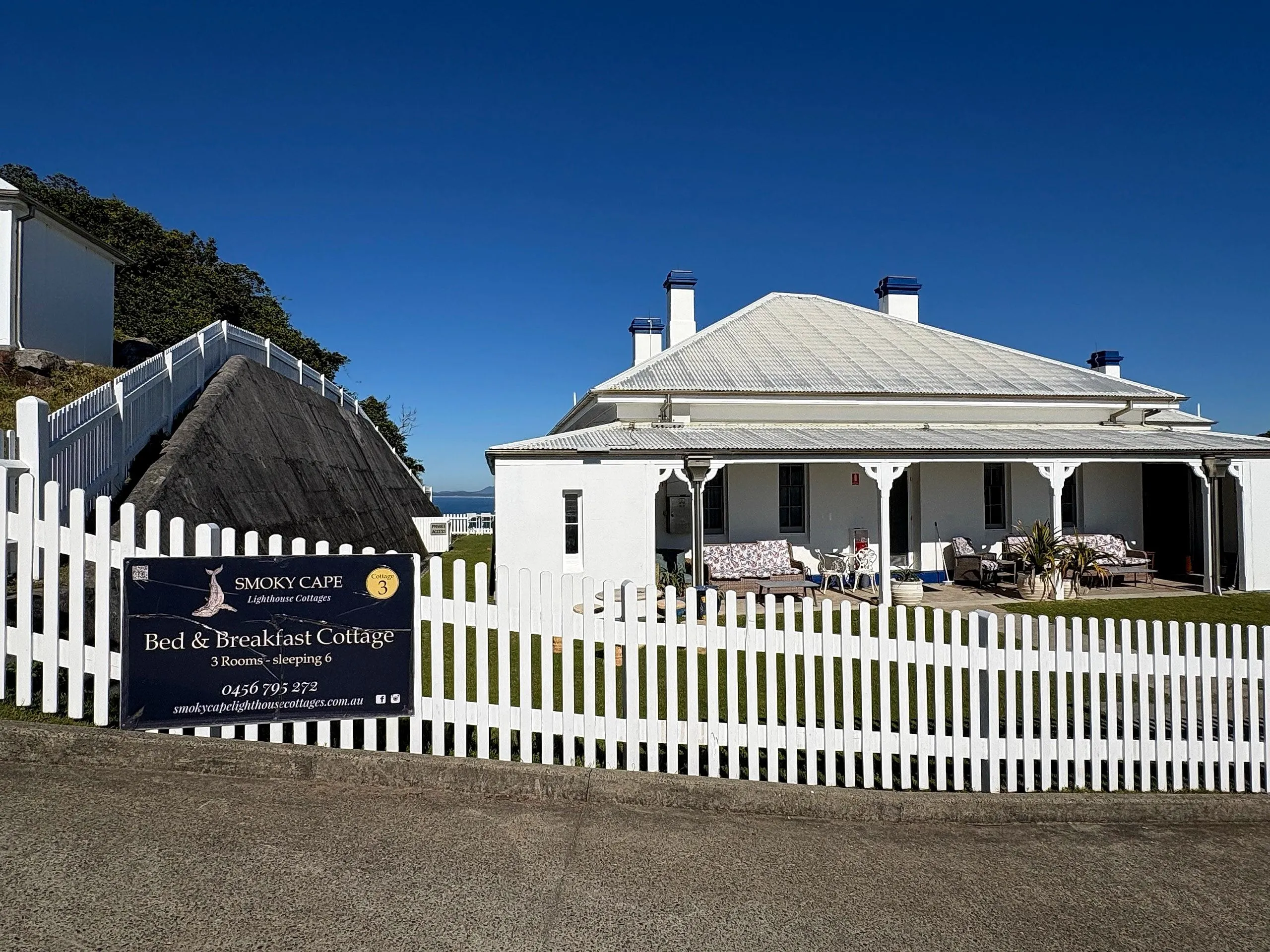
The old keepers’ cottages are now accommodation: this one runs as a bed and breakfast.
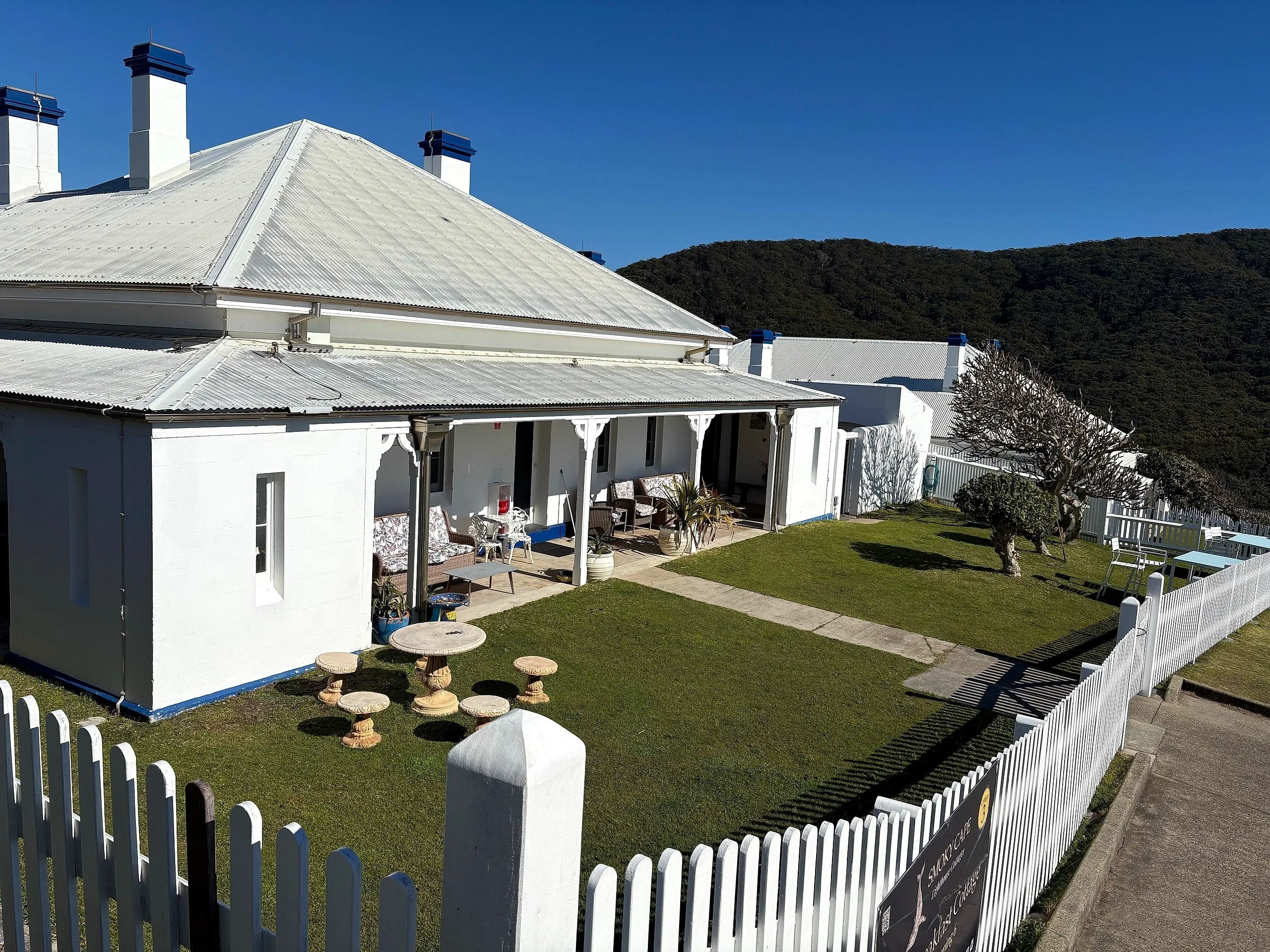
Stone table, deep verandah, and a lawn with one of the best views in New South Wales.
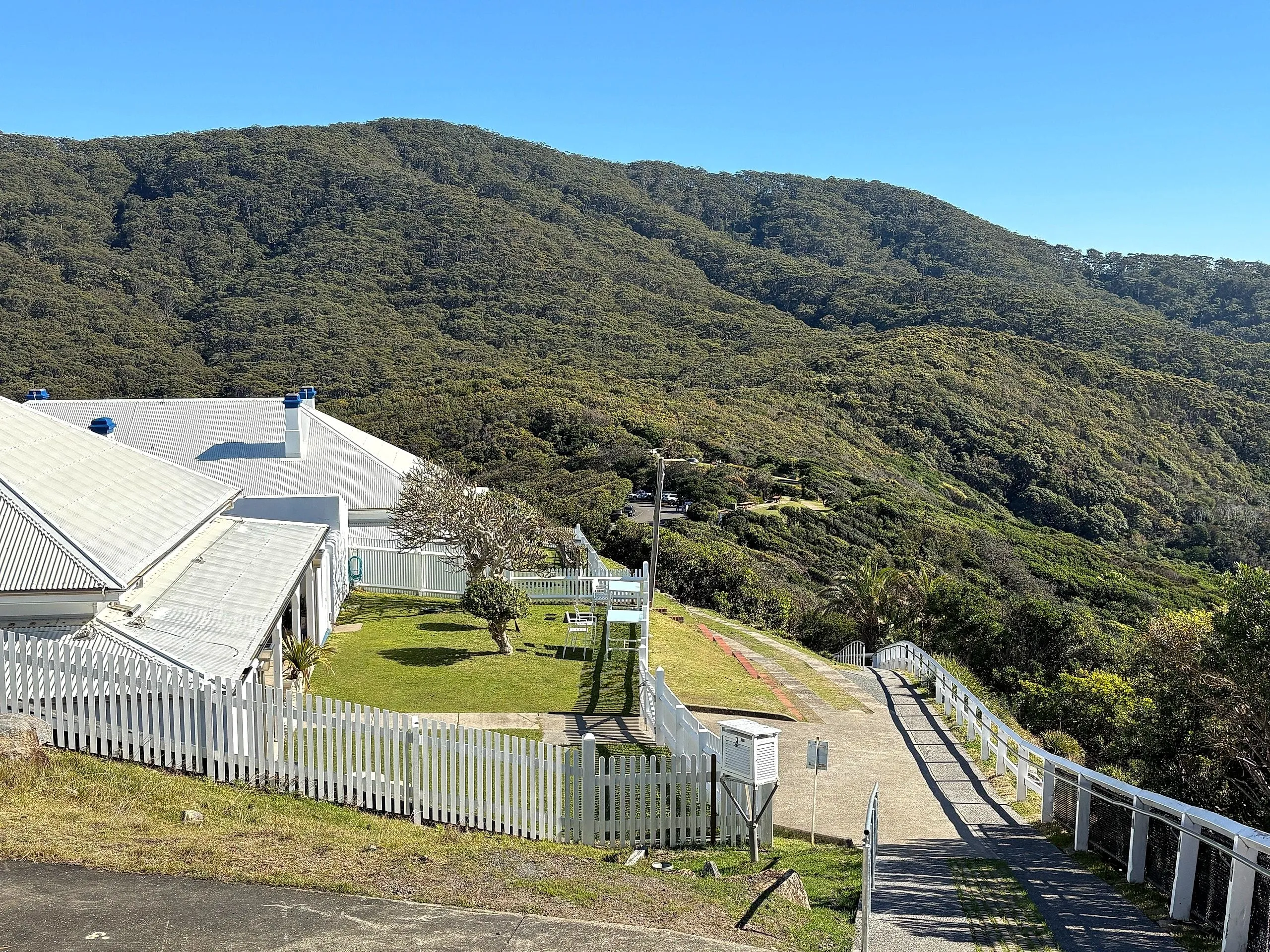
From the tower you look down on the cottage roofs and the path snaking back to the car park.
The locals
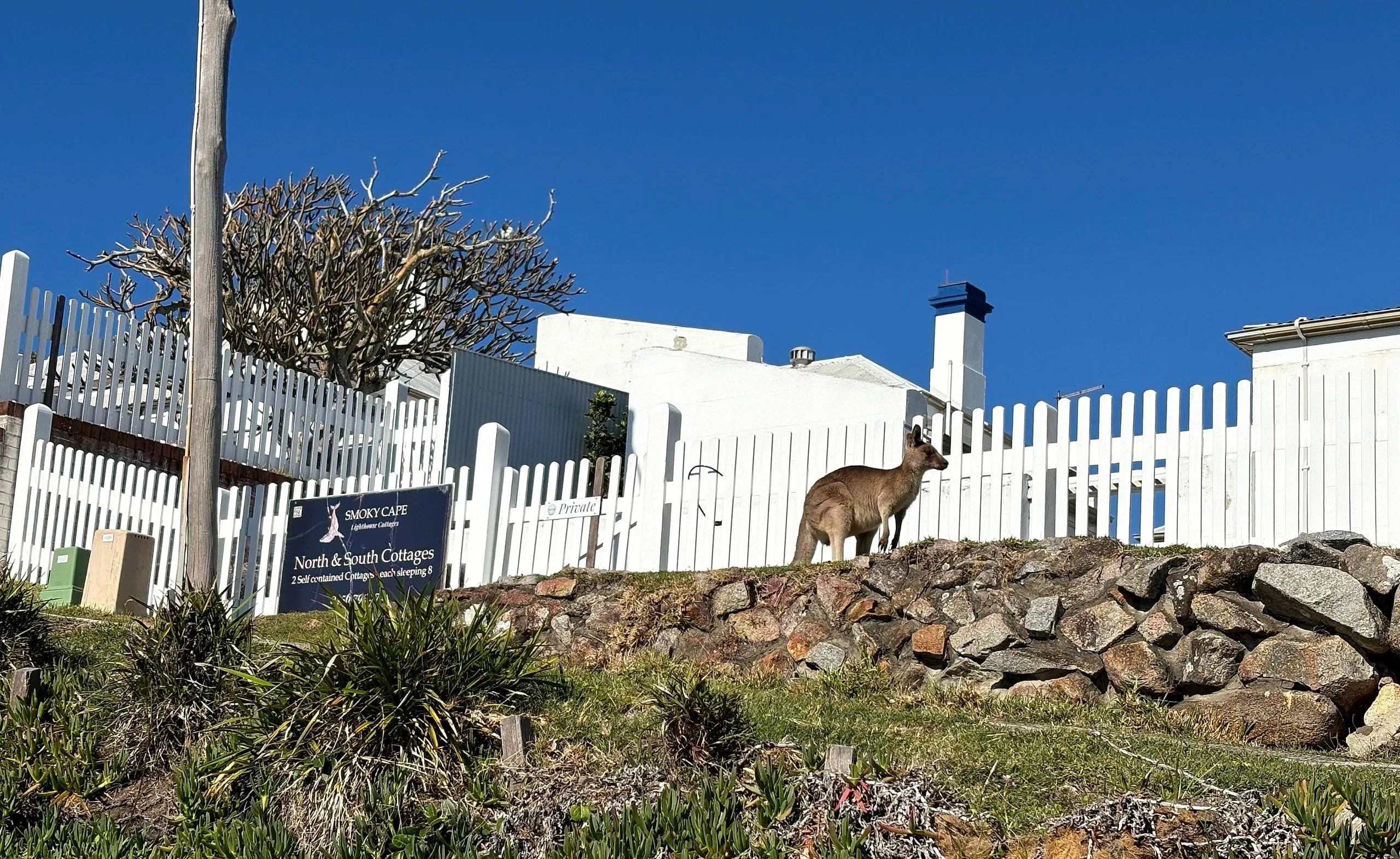
The groundskeeping staff take a break by the cottage fence.
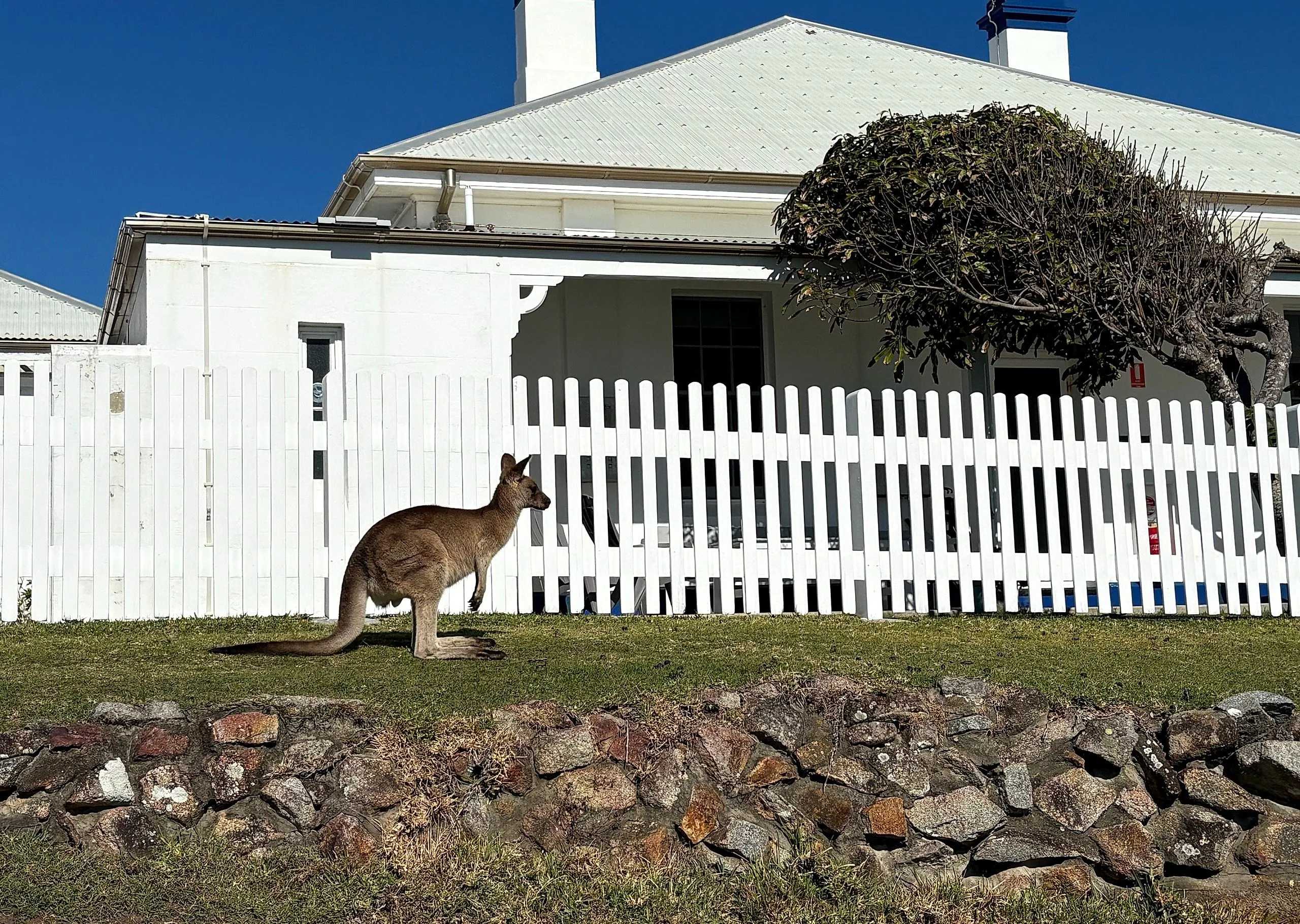
Eastern greys graze the cottage lawns morning and evening.
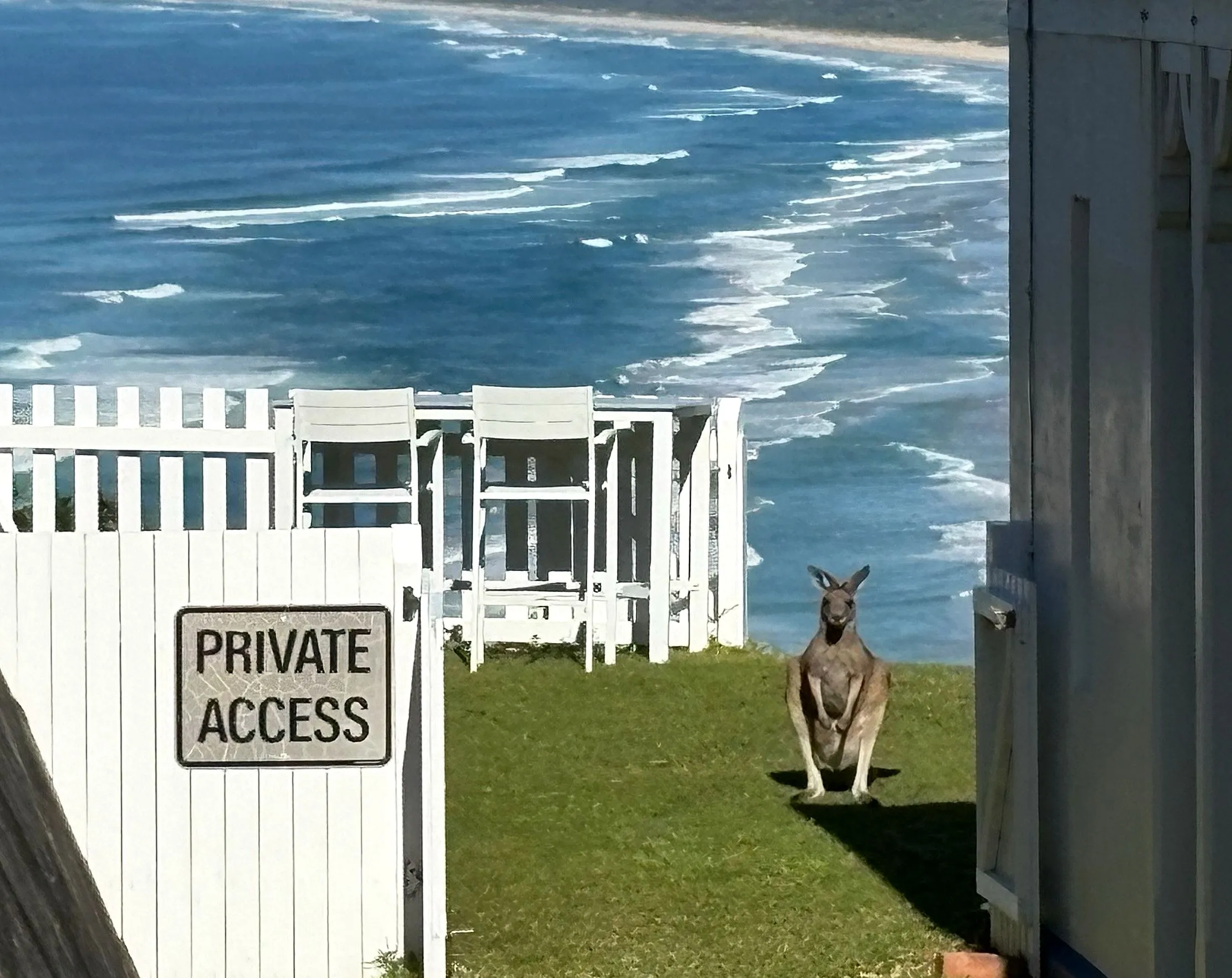
Caught mid-thought at the gate, with the whole of the coast behind.
The view north
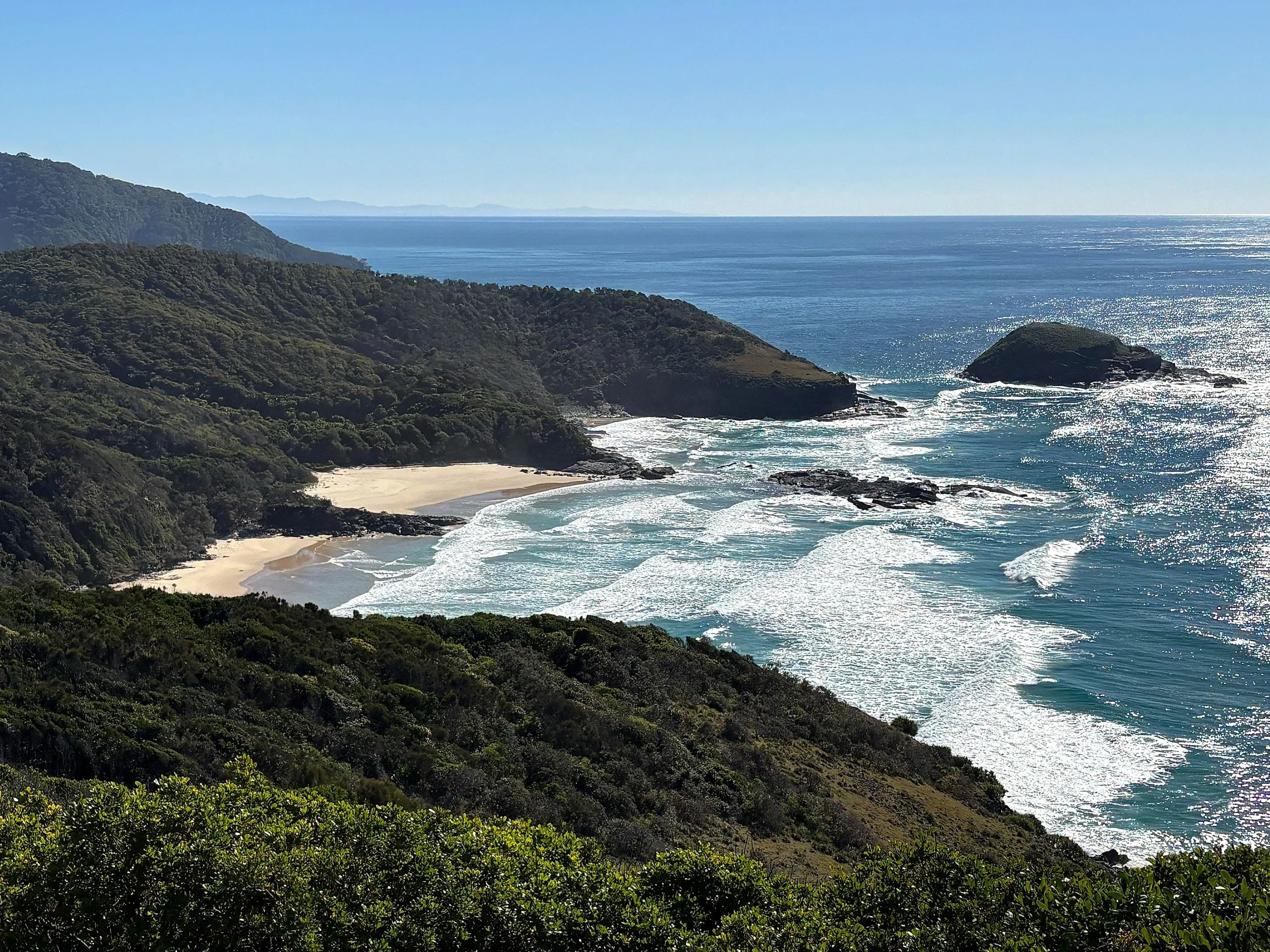
North from the cape: pocket coves, rock platforms and an islet in a field of glitter.
The view south
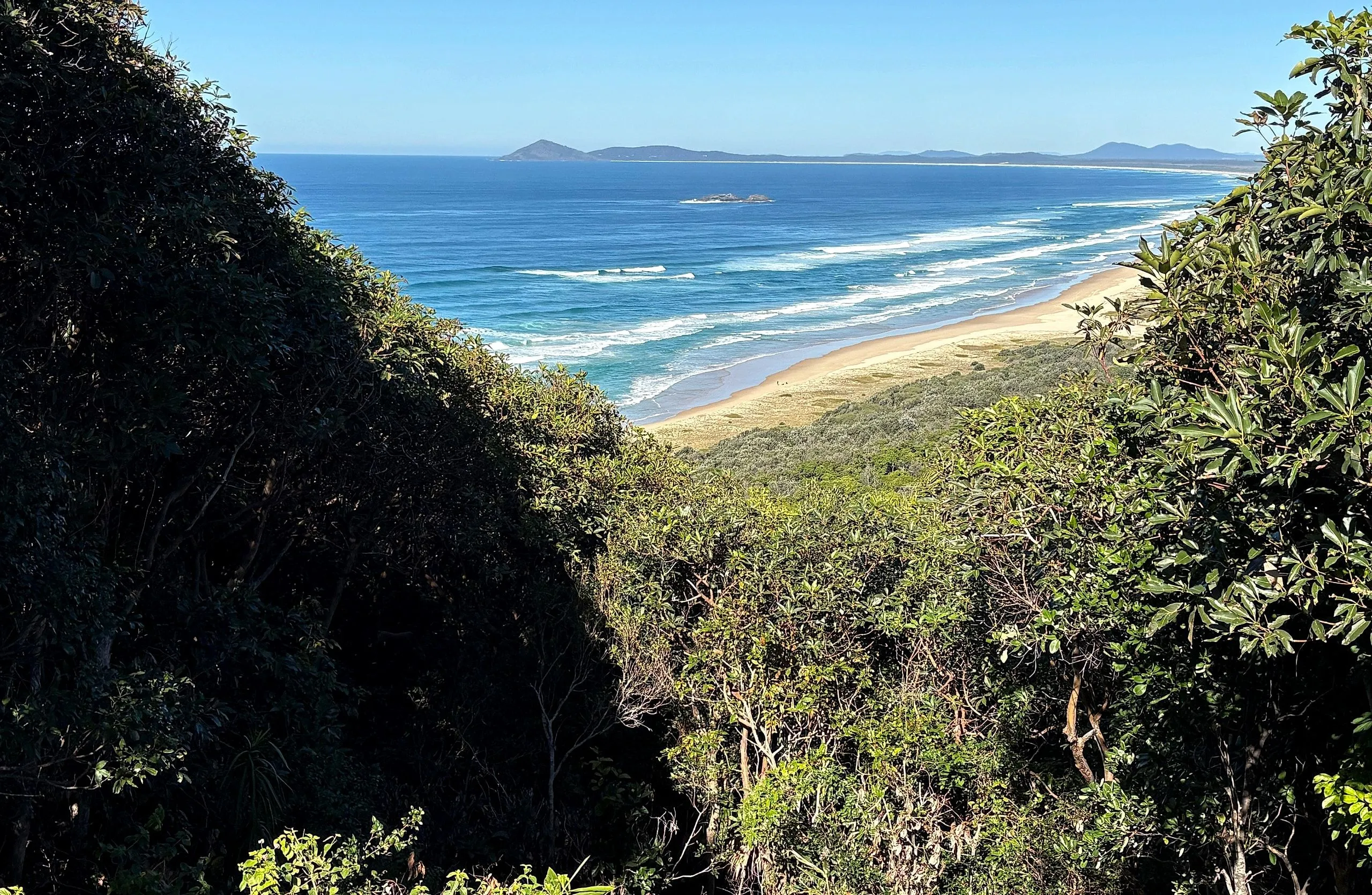
South, the beach runs empty toward Hat Head. Between whales, this is the view.
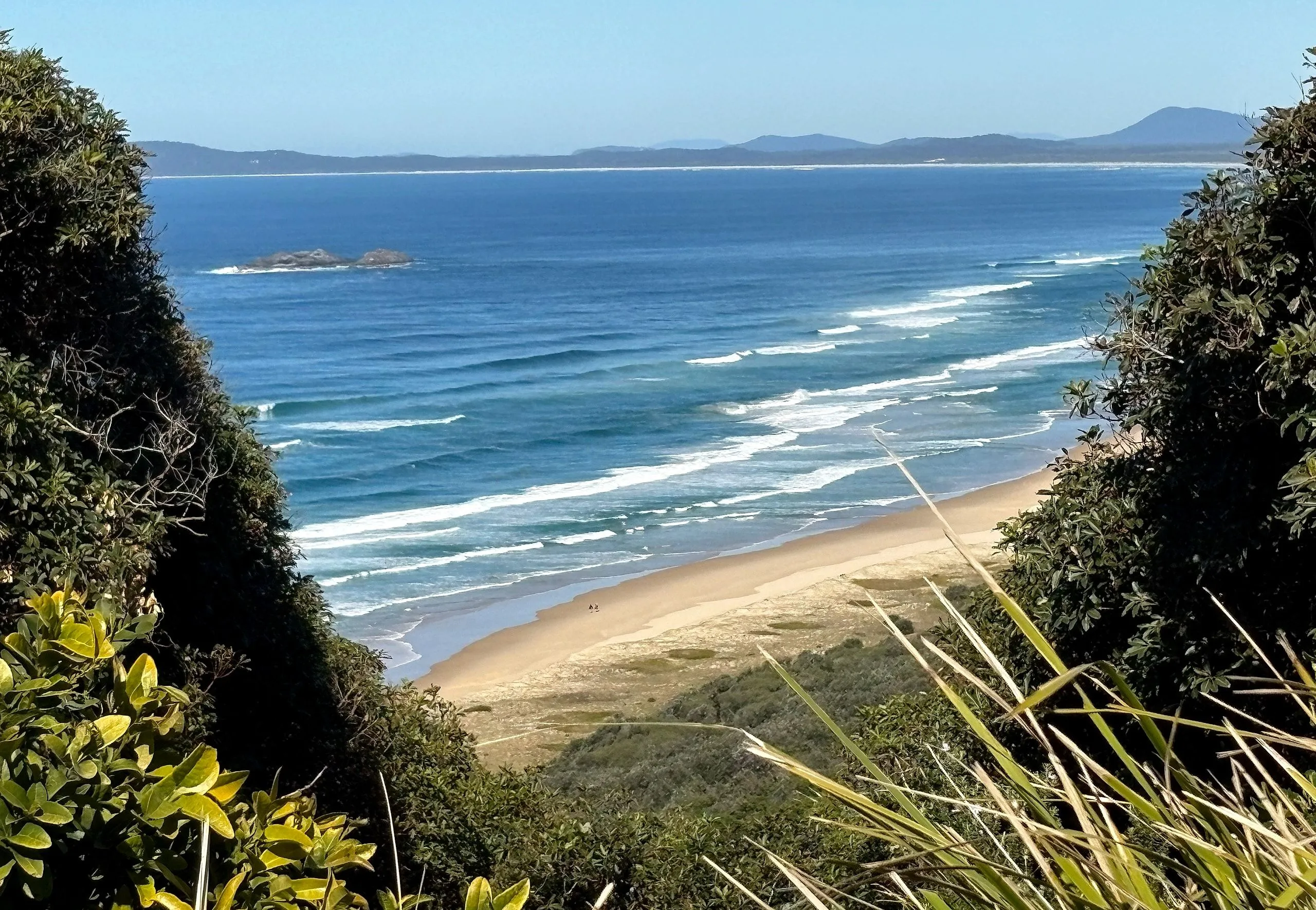
The same sweep from lower down, framed by banksia. Two walkers, several kilometres of sand.
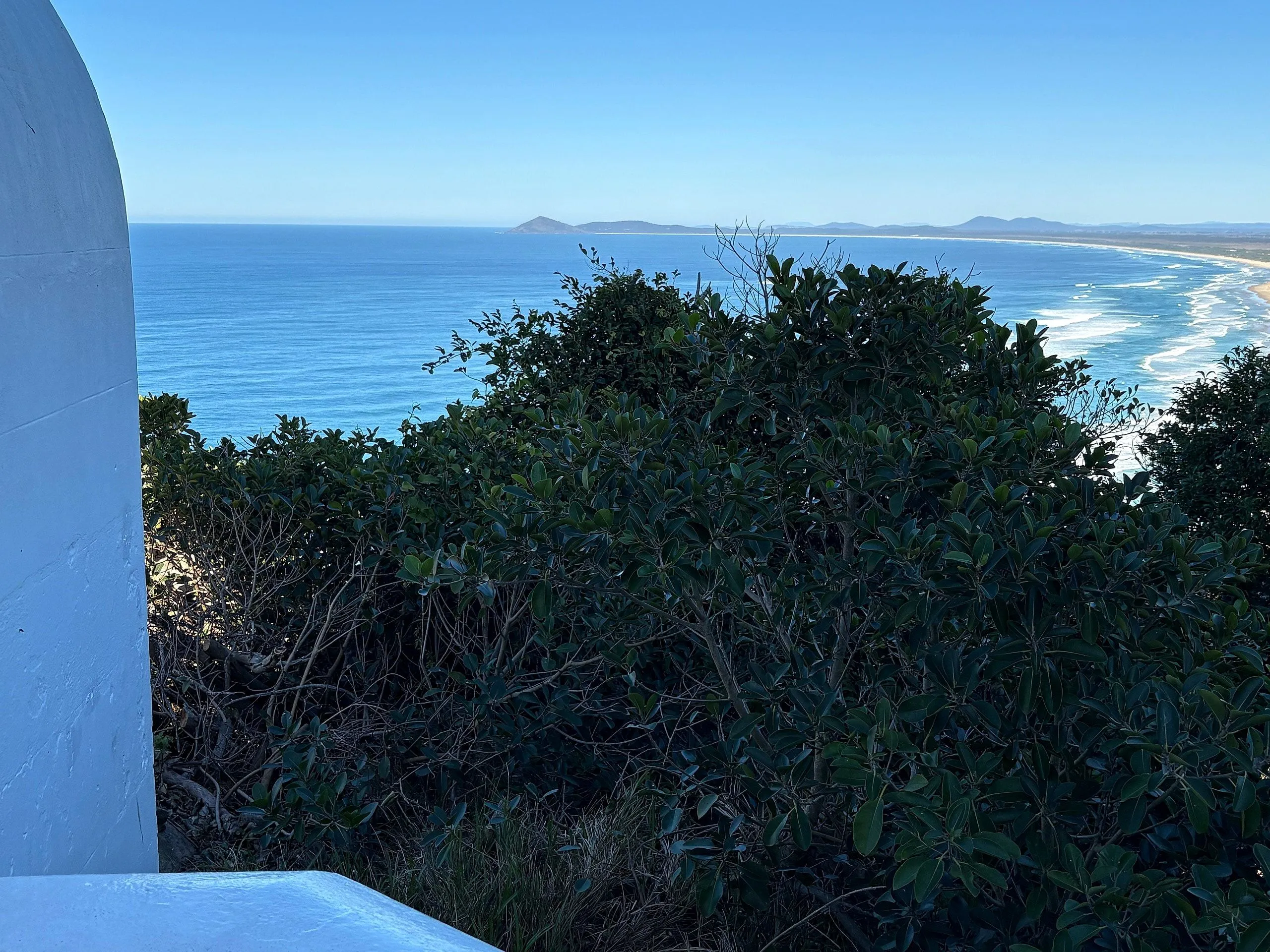
Even the view past the tower’s shoulder earns a pause on the way down.
Down to North Smoky Beach
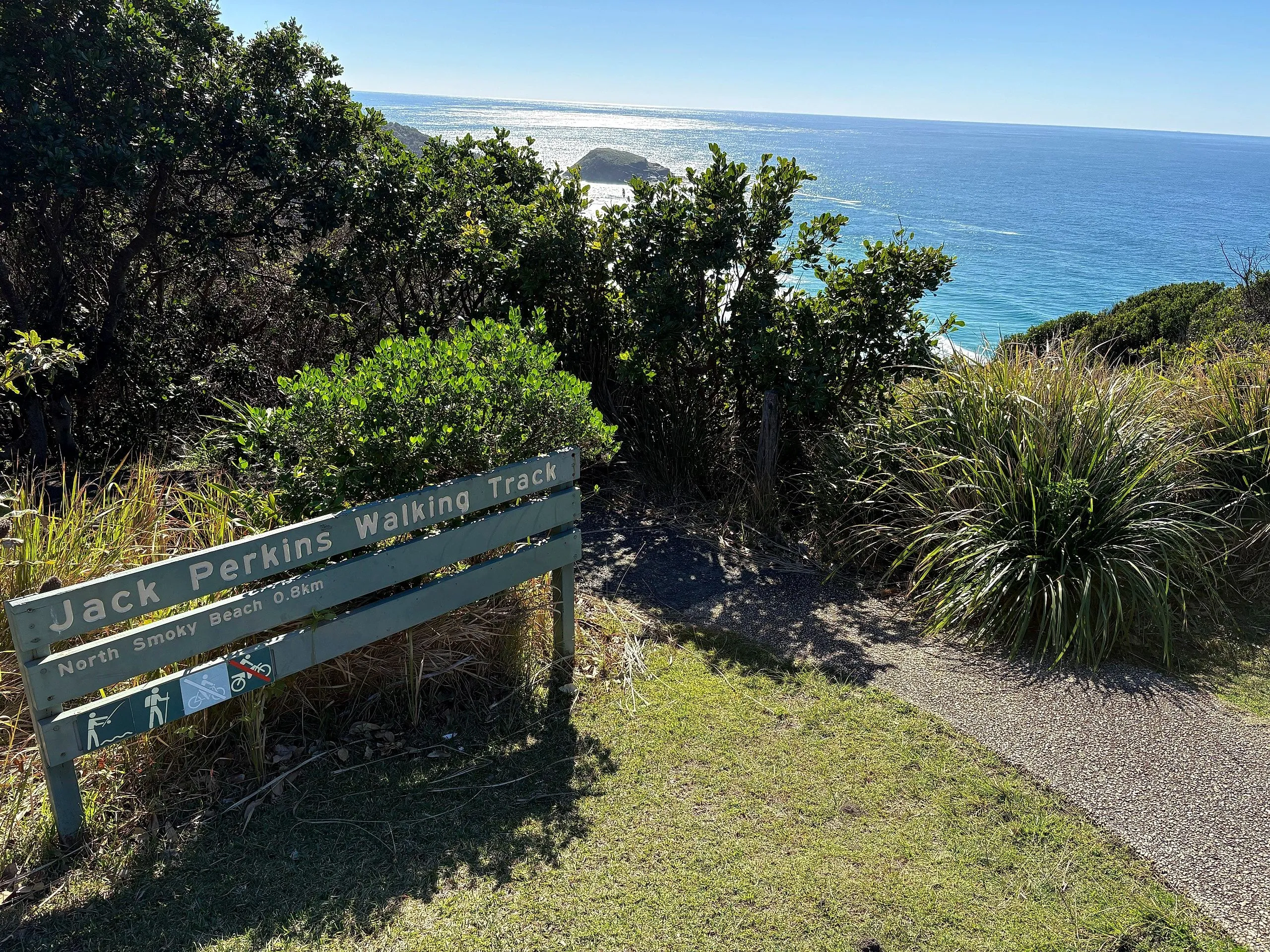
The Jack Perkins Walking Track drops 800 metres from the cape to North Smoky Beach. Most days you will have the sand to yourself.
Plan your visit
The drive up to the cape is sealed all the way, about fifteen minutes from South West Rocks inside Hat Head National Park, and the views and walking tracks are free any day of the year. Dogs stay home: it is national park the whole way. From about May to November the headland doubles as one of the best whale watching platforms on the coast, and our whale watching guide covers when and where to look.
If the cottages have caught your eye, they book out well ahead: our guide to staying near the lighthouse covers the keepers’ cottages and the best alternatives in Arakoon and South West Rocks. And if the long empty beach to the south is calling, that end of the park belongs to Hat Head, a forty minute drive around by road.