From about May to November, one of the best wildlife shows on the NSW coast passes right by the Mid North Coast. Humpback whales head north to breed through winter, then track back south to feed in spring, and on this stretch they often pass close enough to watch from a headland with a coffee and a pair of binoculars.
You do not need a boat. The coast here is a run of high headlands and lighthouses with deep water close in, so the whales come near the shore and the best seats are free.
When to go
The migration comes in two legs. The northbound run starts around May and builds through June and July, the peak weeks for whale numbers on this coast. The southbound return runs from about September into November, and it is often the better leg for a close look: mothers move slowly with their new calves and hug the coast, resting in the bays along the way.
Calm, clear mornings with light wind and a low swell are easiest. A whale’s blow hangs in the still air, and you can pick out the splash of a breach a long way off. If you are reading this in the middle of winter, you are in the thick of the season.
The best lookouts, south to north
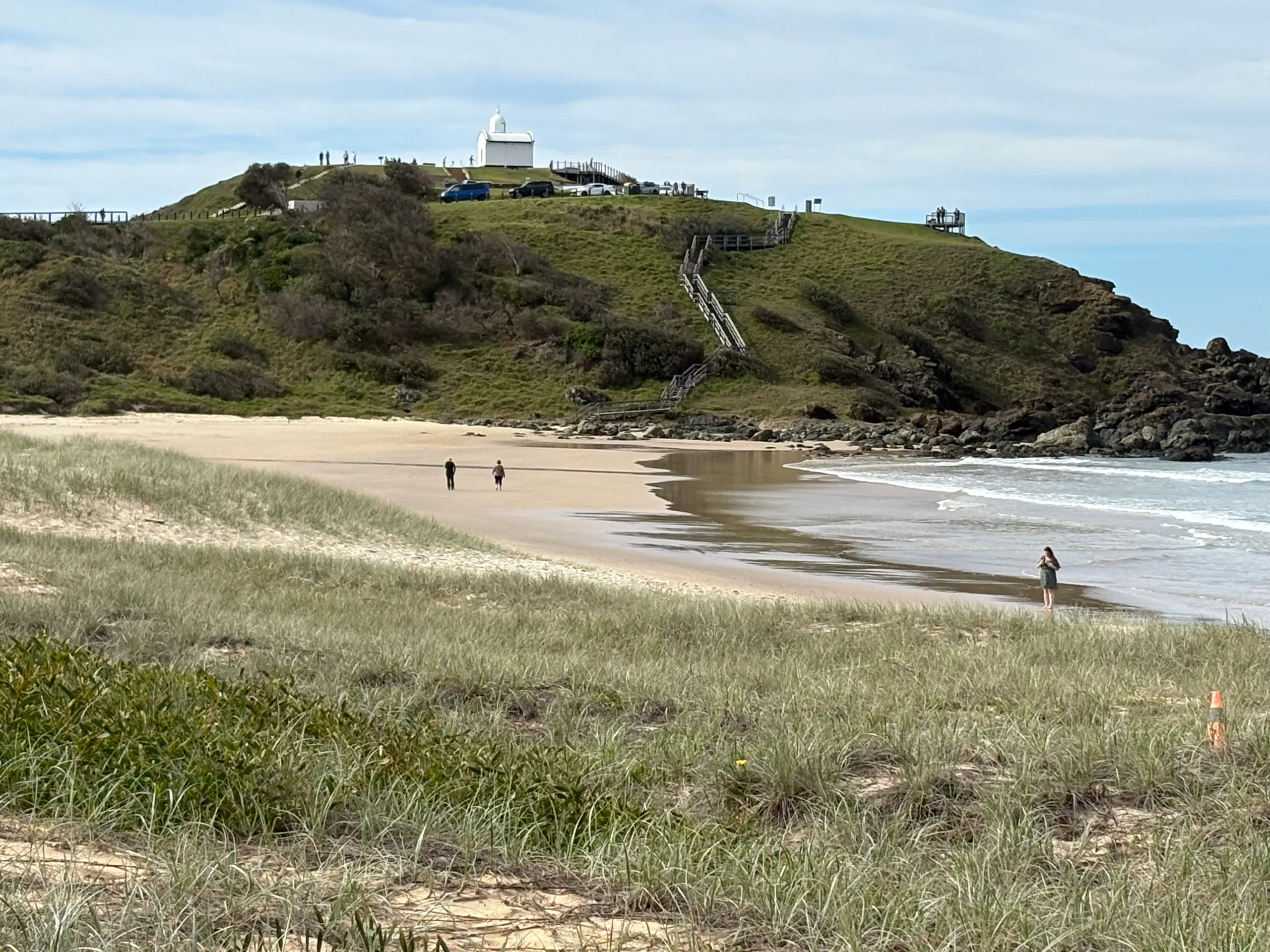
Tacking Point Lighthouse, Port Macquarie
The little 1879 lighthouse sits on the furthest east point of the Port Macquarie coast, up high with a wide ocean view and dedicated whale-watching platforms. It is one of the most reliable and easiest lookouts on the coast, a short drive from town at the southern end of the Coastal Walk. The walk itself has lookouts the whole way, from Rocky Beach to the headland above Shelly Beach, if you would rather watch on the move.
Camden Head, near North Haven
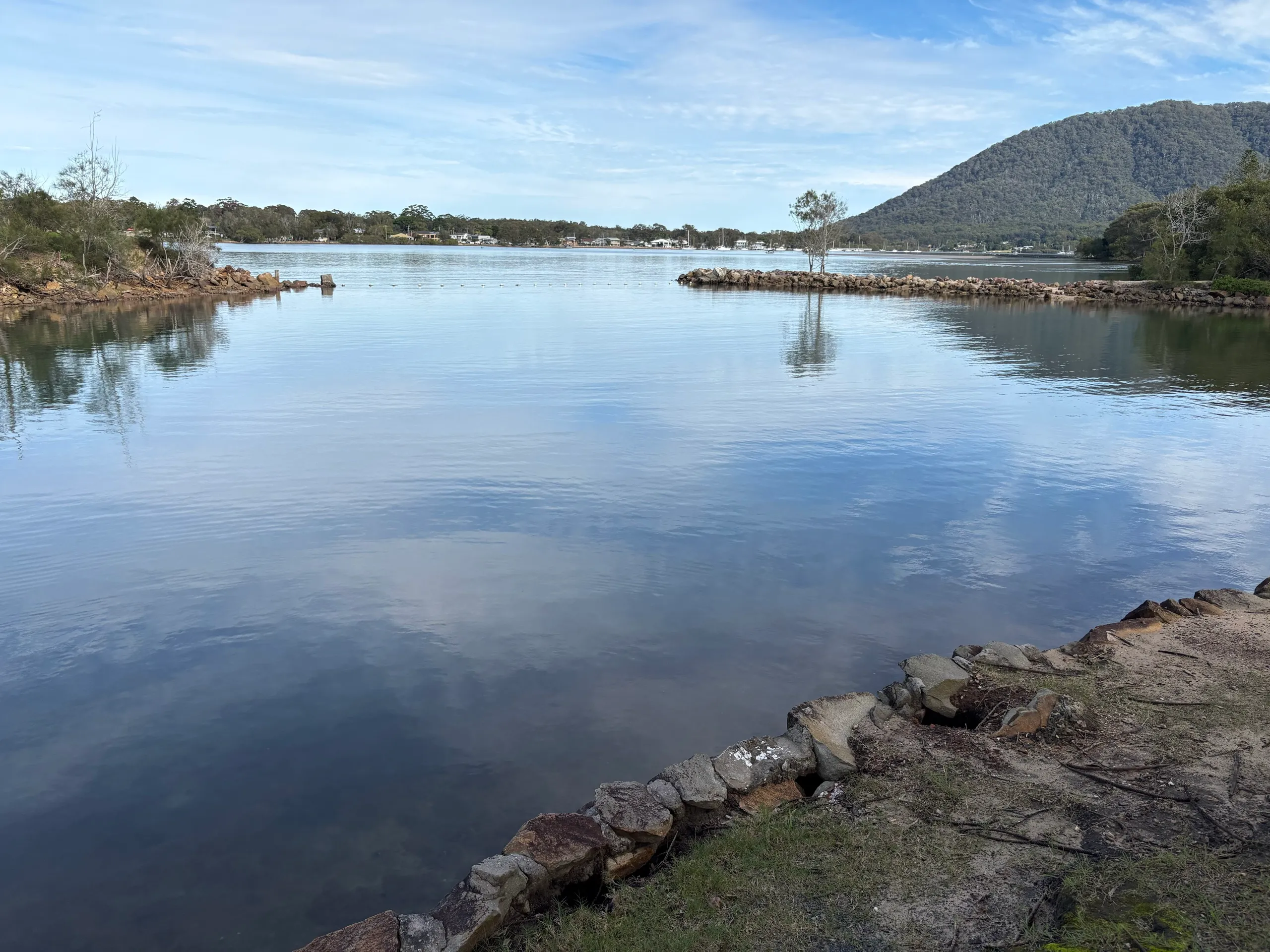
Behind North Haven, North Brother Mountain is the grand lookout over the Camden Haven, but it sits well back from the coast, too far from the water to count on whales that travel close to shore. For them, cross the river to Camden Head at Dunbogan, where Kattang Nature Reserve runs out to Perpendicular Point: the track ends on 40 metre cliffs straight above the sea, the best whale perch in the Camden Haven, with the migration passing below from about May to October.
Crescent Head
The open headland above the point at Crescent Head gives a clean ocean horizon and a long drop to the water. Walk up past the golf course for the view, and watch the swell line for blows offshore.
Korogoro Point, Hat Head
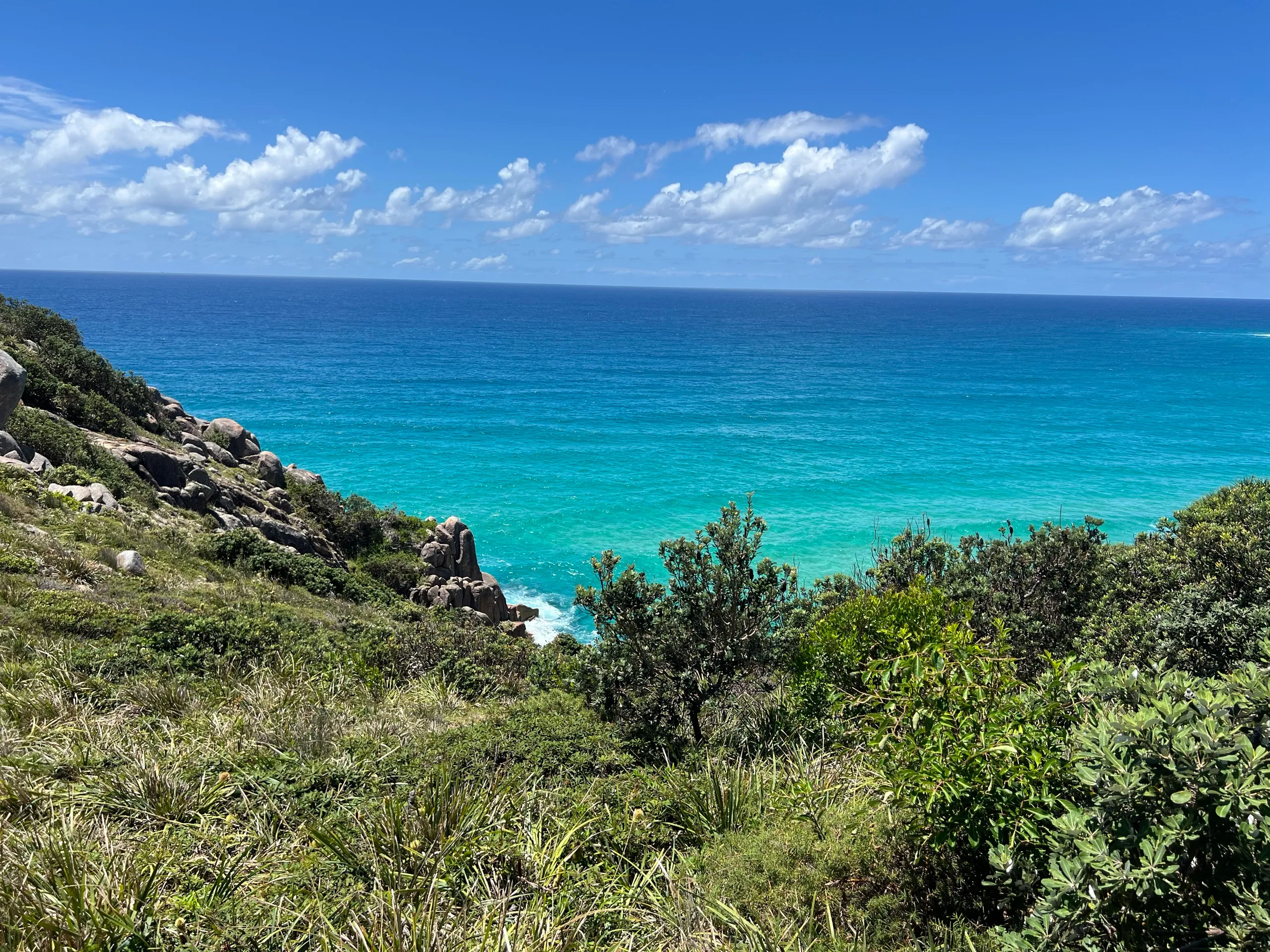
The headland at Hat Head, the “hat” that names the village, has a short track onto the point with big ocean views and turquoise coves below. There is a blowhole, steep cliffs and a clear line north to Smoky Cape. It is one of the quietest whale perches on the coast, and you will often have it to yourself outside the holidays.
Smoky Cape Lighthouse, near South West Rocks
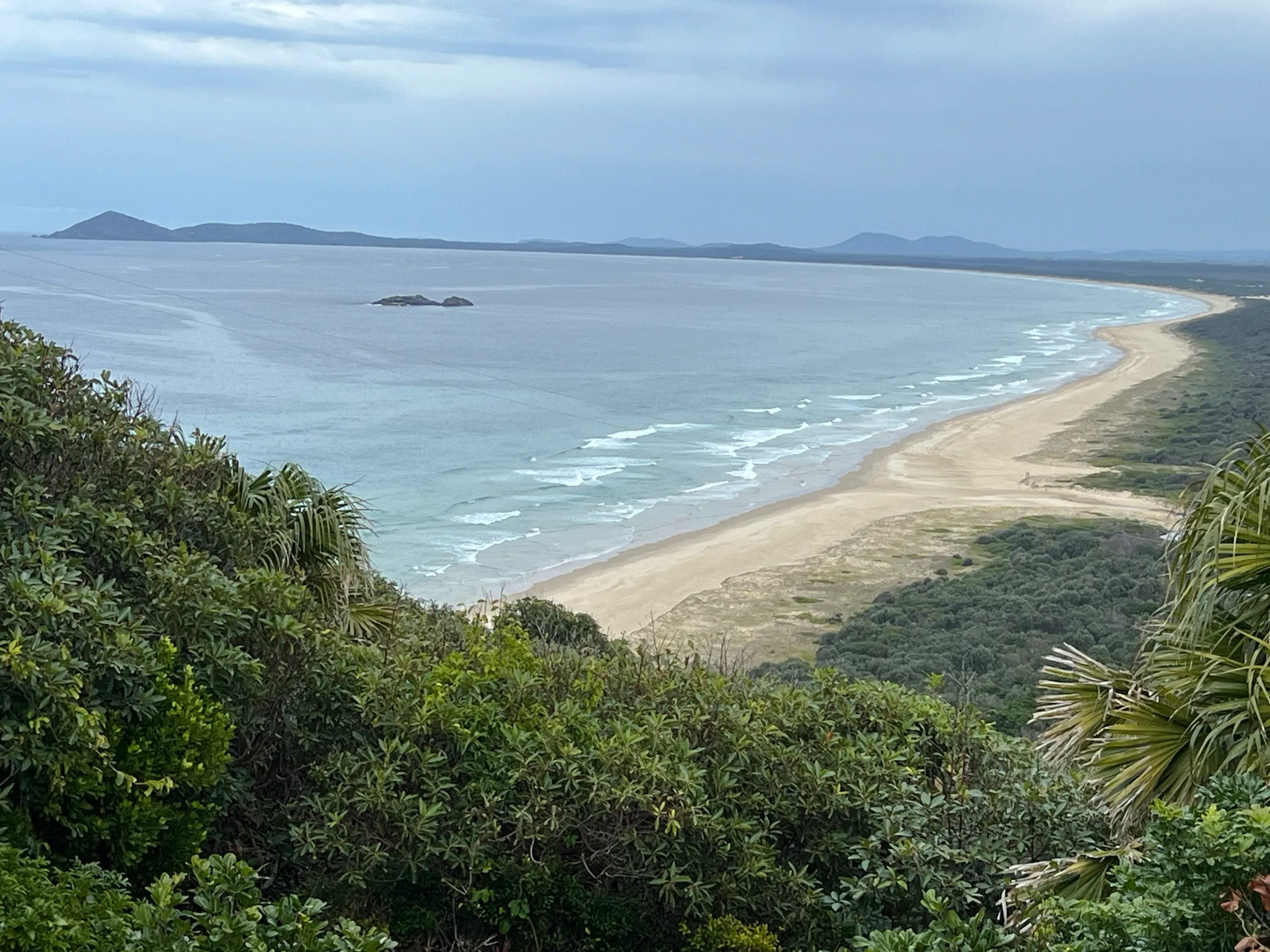
South-east of South West Rocks, Smoky Cape Lighthouse stands on a granite headland over 100 metres above the sea, the highest lighthouse in NSW. Built in 1891, it has one of the best whale outlooks on the coast, with deep water close in and a view that runs for miles in both directions.
Captain Cook and Rotary lookouts, Nambucca Heads
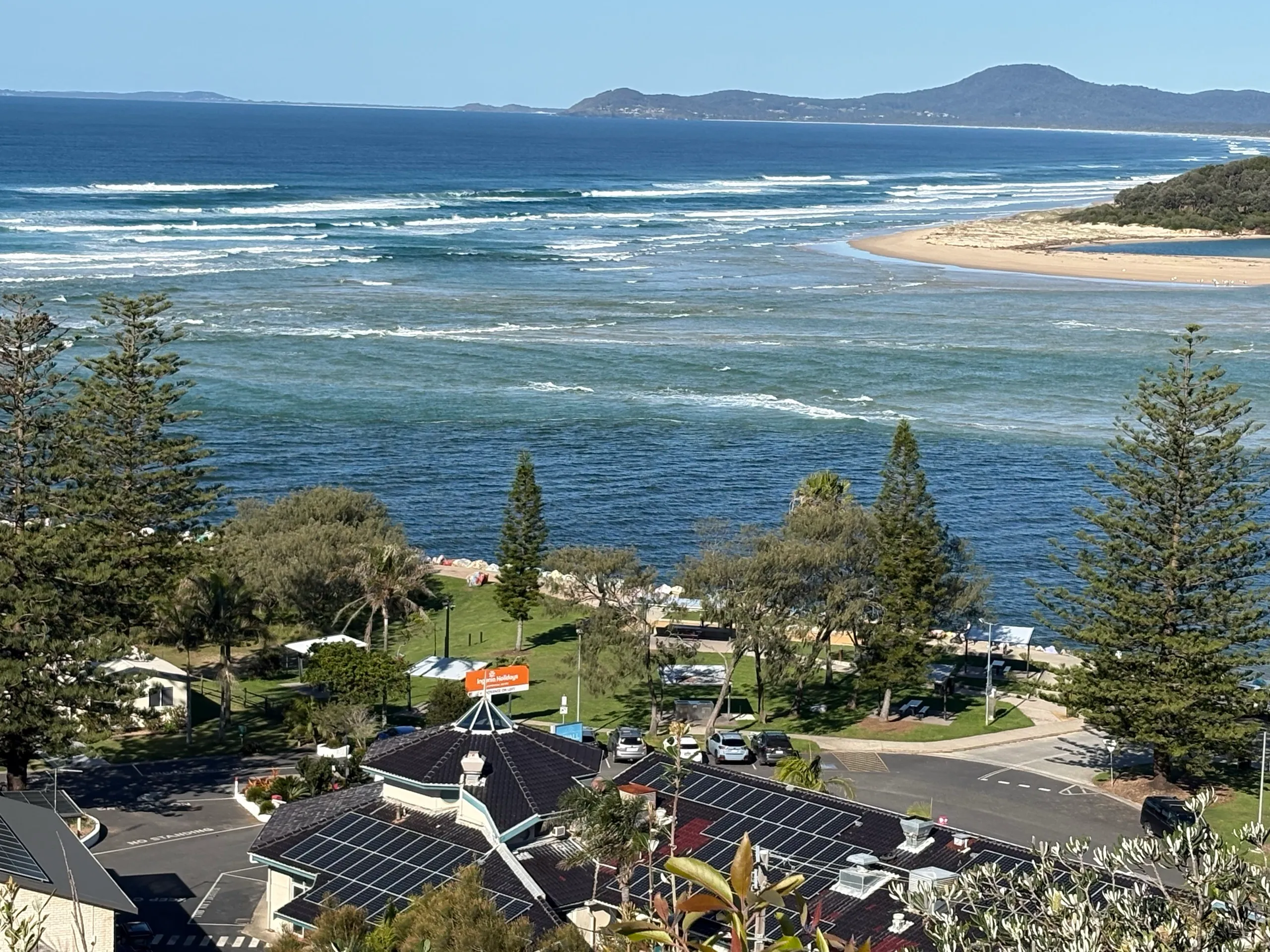
At Nambucca Heads, the Captain Cook and Rotary lookouts sit above the river mouth with parking and seats, an easy stop to watch for whales offshore and dolphins working the entrance.
On the water
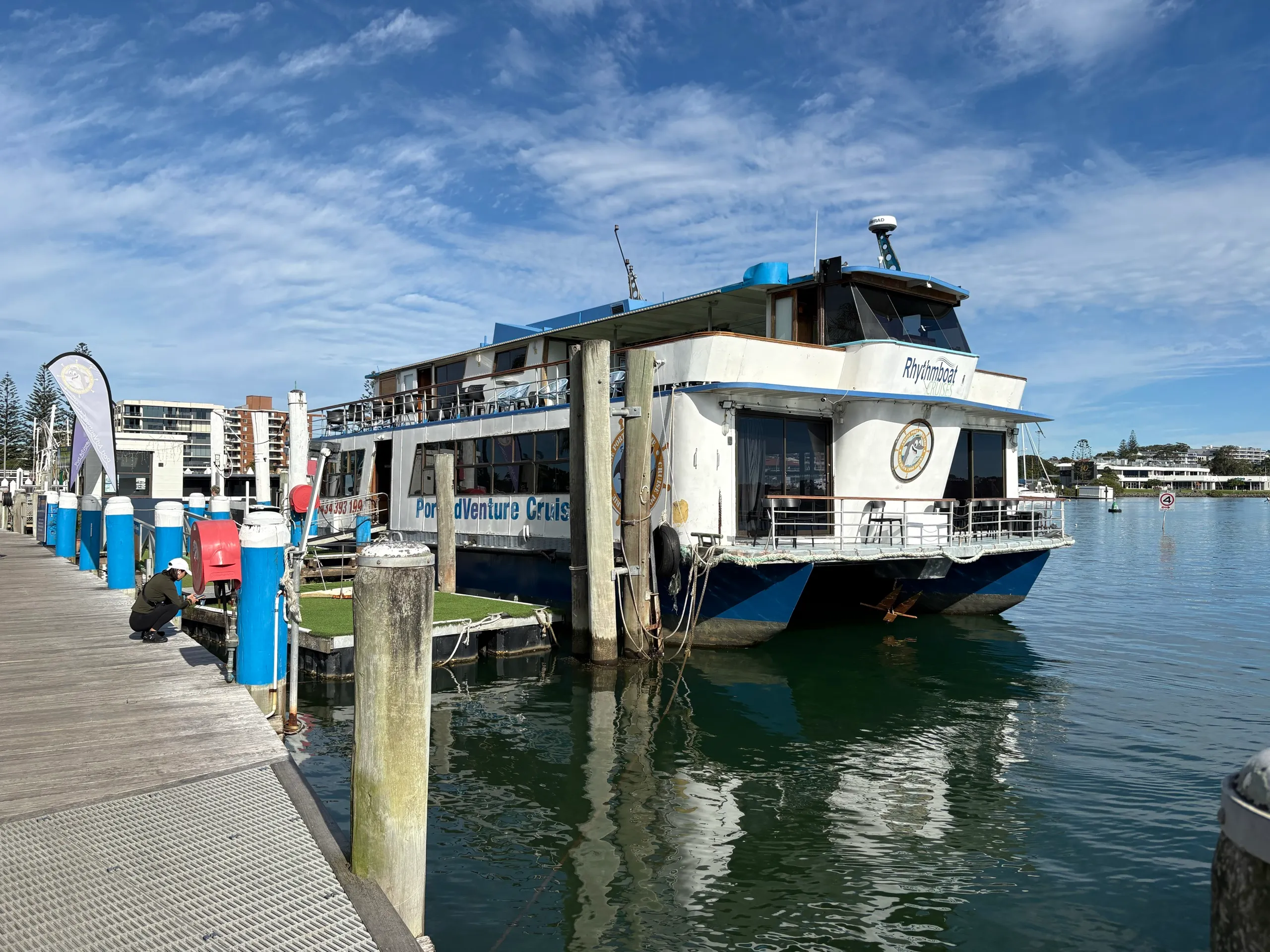
To get closer, Port Macquarie is the hub for whale-watching cruises on this coast, with boats running offshore from the Hastings River through the season. It is also the place for a dolphin cruise: the Hastings estuary has its own resident pod of bottlenose dolphins, around the river year-round.
Watching responsibly
Whales are protected, and there are rules on how close boats, kayaks and swimmers can get. A boat or kayak has to stay at least 100 metres from a whale, and 300 metres if a calf is about. From a headland you have the better view anyway, and you are not in their way.
Each year, on the last Sunday in June, ORRCA, the volunteer marine-mammal rescue group, runs its national whale census, and Tacking Point is one of the count sites: a good morning to go up and join in. If you ever find a whale or dolphin in trouble, stranded or entangled, call ORRCA’s rescue line on 02 9415 3333.
Where to base yourself
Any of the coastal towns in this guide works in whale season. Port Macquarie has the lighthouse, the cruises and the most to do; South West Rocks has Smoky Cape on its doorstep; and Hat Head has the quietest headland of the lot. Spring and autumn are milder and better value than the summer holidays, and they line up with the whales.